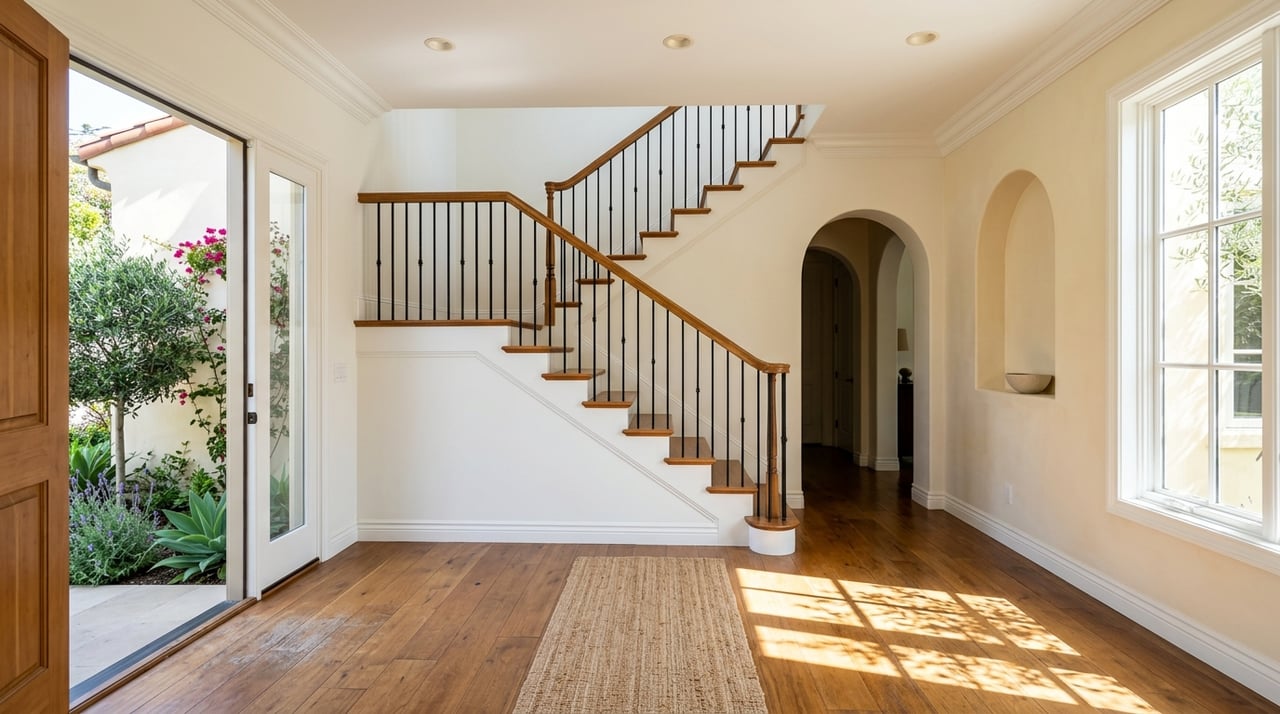
Thinking about trading your La Costa condo for a house? You are not alone, but this kind of move is often more complex than it looks. Between condo equity, timing your sale, and the price jump into detached homes, a good plan can save you stress and help you make stronger decisions. Here is how to think through the move step by step in La Costa and nearby Carlsbad neighborhoods. Let’s dive in.
Understand the La Costa price jump
One of the biggest surprises for condo owners is how wide the price range can be once you start comparing detached homes in and around La Costa. Carlsbad’s neighborhood map groups areas like La Costa, La Costa Ridge, La Costa Oaks, La Costa Greens, and Aviara, so your search may quickly expand into several nearby submarkets rather than one simple price point.
That matters because these areas do not move in lockstep. Rancho la Costa shows a median listing price of $950,000, while nearby single-family areas like Aviara, La Costa Oaks, and La Costa Ridge are around $1.8 million, $2.3 million, and $2.5 million. Zillow estimates also show a clear spread, with Rancho La Costa at about $1,410,611, Aviara at about $1,968,904, La Costa Greens at about $2,105,459, and La Costa Ridge at about $2,280,674.
If you are moving from a condo into a detached house, the key is to treat this as a move-up purchase, not just a change in property type. You may be able to stay close to your current area, but your budget, financing, and must-have list need to reflect the real price difference between condos and houses.
Know what the market feels like
Timing matters even more when you are buying and selling at the same time. In May 2026, Carlsbad had a median sale price of $1,544,825, with 350 homes sold and a median 23 days on market. Redfin also reports that 33.1% of homes sold above list price, and many homes receive multiple offers.
For you, that means the detached home side of the search may move quickly. If your condo needs to sell first, or if your financing depends on the condo proceeds, you need a realistic timeline from the start. A delayed plan can make it harder to compete when the right house hits the market.
There is also a strong local pattern of buyers staying in the area. Redfin says 74% of Carlsbad homebuyers searched to stay within the metro area, which fits what many move-up buyers want: more space without leaving Coastal North County.
Start with your condo equity
Before you shop seriously for a house, estimate what your condo sale may actually put in your pocket. The best starting point is your likely sale price, then subtract your mortgage payoff, closing costs, repair credits, and any HOA or association items that must be resolved before closing.
This is where many buyers get overly optimistic. Your online value estimate may be useful as a rough guide, but your move budget depends on net proceeds, not headline value. A clear equity picture helps you decide whether you can comfortably move now, need more time, or should adjust your target price range.
If you are considering using home equity for a down payment before your condo sells, be careful. Consumer guidance notes that a home equity loan or HELOC is a junior lien secured by your property, so if repayment becomes a problem, your home could be at risk.
Prepare your condo for resale
If your condo is part of a common-interest development, the paperwork matters almost as much as the property itself. California Department of Real Estate materials say sellers must provide governing documents, budget and reserve information, and statements about regular and special assessments before transfer of title.
That means your resale prep should include more than paint, repairs, and photos. You also want to confirm what documents your HOA will need to provide, whether there are any unresolved assessment issues, and how long the association takes to produce the resale package.
This step can affect your timeline. If you are trying to line up a house purchase right behind your condo sale, even a small paperwork delay can create stress during escrow.
Budget for taxes and assessments
Your new monthly payment is only part of the ownership cost. San Diego County says property taxes include the 1% base tax plus voter-approved bonds and fixed-charge special assessments, including Mello-Roos.
The county also provides a way for owners to review assessed valuation, tax rates, and special assessments by parcel number. That can be especially helpful when you are comparing houses in different parts of La Costa, Aviara, or nearby Carlsbad neighborhoods where total tax obligations may vary.
Another cost many buyers miss is the supplemental tax bill. San Diego County says supplemental tax bills are generally mailed 6 to 12 months after a change of ownership, and they are the new owner’s responsibility, not the lender’s. If you only budget for your mortgage payment, that later tax bill can come as an unpleasant surprise.
Choose your buy-sell sequence
For most condo owners, the biggest strategic question is simple: should you sell first or buy first? The right answer depends on your equity, cash reserves, lender guidance, and how much risk you are comfortable carrying.
A practical planning sequence looks like this:
- Estimate your condo equity
- Meet with a lender and review your options
- Decide whether to sell first, buy first, or use a contingent strategy
- Write offers with the right protections
- Build your move plan before closing
This step-by-step approach matters because every later decision depends on the one before it. If your lender says you can carry both properties, your choices may widen. If not, your sale timing becomes the foundation of the whole move.
Can you buy before you sell?
Sometimes, yes. Fannie Mae guidance notes that bridge or swing loans can be an acceptable source of funds if they are not cross-collateralized against the new property and the lender documents your ability to carry the current home, the new home, the bridge loan, and your other obligations.
In plain terms, buy-before-sell is possible, but it is not automatic. You need lender approval, strong financial documentation, and a plan that works even if your condo sale takes longer than expected.
This option can help if you want to avoid rushing your condo listing or if you need flexibility on moving dates. Still, it should be weighed carefully against the cost and risk of carrying more than one housing obligation at once.
Use contingencies wisely
In a fast market, many buyers worry that contingencies make their offer weaker. But contingencies can also protect you when you are making a move that depends on timing, financing, and property condition.
Consumer guidance recommends making purchase offers contingent on financing and a satisfactory inspection. For condo owners moving up to a house, those protections can be especially important if your condo is still on the market or if your down payment depends on sale proceeds.
There is always a balance. Fannie Mae notes that most contingencies benefit the buyer, not the seller, so you may need to weigh protection against competitiveness. In Carlsbad, where many homes sell above list and move quickly, that balance can be critical.
Watch appraisal and inspection risk
Once you are in escrow, speed matters. Review inspection findings and the appraisal quickly so you can respond before small issues become bigger financing or timing problems.
If the appraisal comes in below the contract price, consumer guidance says you can ask the seller to reduce the price or, depending on your contract terms, choose to cancel the sale. For move-up buyers, a low appraisal can affect cash needed to close and throw off the timing of both transactions.
An inspection contingency also gives you room to respond if serious defects are found. Consumer guidance says a contract contingent on a satisfactory inspection can be canceled without penalty if major issues come up.
Check local due diligence items
When you shop for a house in La Costa, look beyond square footage and finishes. Local due diligence should include wildfire and open-space questions before you write an offer.
The City of Carlsbad says its fire department works with HOAs on vegetation management, has updated Fire Hazard Severity Zone maps, and requires wildfire-compliance documentation for homes in high or very high hazard zones. The city also notes that vegetation management outside individual property lines is generally handled by an HOA in open-space-adjacent areas.
This matters because some homes may have different maintenance responsibilities, compliance requirements, or insurance considerations tied to their location. If a home backs to open space or falls within a higher hazard zone, that should be part of your early review, not an afterthought near closing.
Build a practical closing plan
A smooth move from condo to house is usually the result of good coordination, not luck. During escrow, you will want to stay on top of inspection timelines, appraisal timing, lender requests, HOA documentation, and the moving schedule.
Consumer guidance also notes that lenders must provide the Closing Disclosure at least three business days before closing. That gives you time to review final figures and compare them to what you expected.
After closing, do not forget the ownership follow-through. San Diego County advises new owners to confirm their mailing address with the Assessor and watch for supplemental tax bills. The county also reminds owners that even if there is an impound account, you are still responsible for making sure taxes are paid.
Why local strategy matters
A condo-to-house move in La Costa is not just about finding more bedrooms or a yard. It is a coordinated financial and timing decision shaped by local price gaps, market speed, condo disclosure rules, tax realities, and neighborhood-specific due diligence.
That is why local guidance matters. When you understand the spread between Rancho La Costa, Aviara, La Costa Greens, and La Costa Ridge, and when you line up your equity, financing, and offer strategy early, you can move with more confidence and fewer surprises.
If you are planning a move from condo to house in La Costa, the right first step is a clear strategy built around your timing, your equity, and the neighborhoods you want to target. For a tailored consultation or a free home valuation, connect with Mike Williams.
FAQs
What should I budget for when moving from a condo to a house in La Costa?
- Budget for your down payment, closing costs, mortgage payment, property taxes, voter-approved bonds, fixed-charge special assessments such as Mello-Roos, and the possibility of a supplemental tax bill after closing.
Can I buy a house in La Costa before selling my condo?
- Possibly, if your lender approves the structure and documents that you can carry your current condo, the new house, any bridge financing, and your other obligations.
Should my La Costa house offer include contingencies?
- Financing and inspection contingencies can be a smart way to protect yourself, especially if your condo sale affects your timing or down payment.
What condo documents matter when selling in California?
- Sellers generally need to provide governing documents, budget and reserve information, and statements about regular and special assessments before transfer of title.
What local issues should I check before buying a house in La Costa?
- In addition to price and market timing, check wildfire hazard zone status, open-space adjacency, HOA vegetation management responsibilities, and any required wildfire-compliance documentation.
How fast is the Carlsbad market for move-up buyers?
- In May 2026, Carlsbad had a median 23 days on market, and 33.1% of homes sold above list price, so timing and preparation can make a big difference.